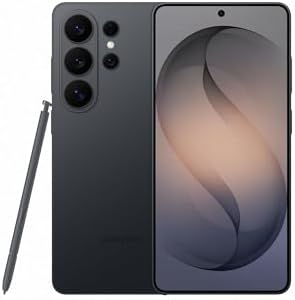
A phone can look like an obvious upgrade on a comparison chart and still be the wrong fit by lunchtime. Think about the moments that shape your day: checking maps on a commute, taking photos indoors, or charging between work and dinner. Those habits make a more useful shortlist than a spec sheet alone.
Start With Your Daily Friction
If your current phone runs out of room for photos, storage capacity may matter more than a modest camera upgrade. If you often use your phone one-handed, compare dimensions and weight in addition to screen size; a larger display can be easier to read but less comfortable to carry and reach across. Write down the two irritations you want your next phone to solve.
Compare the Differences You’ll Feel
Camera comparisons are most useful when they reflect your real scenes. Look for examples in low indoor light, moving subjects, and the focal lengths you actually use, rather than relying on a single bright outdoor image. For battery life, pay attention to review context and usage conditions: screen brightness, network connection, and workload can all change the result.
Also check the less glamorous details before deciding: charging accessories included in the box, software support information from the manufacturer, and compatibility with your carrier. A lower listed price may not be the lower-cost choice if it requires accessories or compromises you already know you’ll dislike.
Read the Deal Alongside the Fit
When comparing current deals, check the exact model, storage size, condition, and return terms—not just the headline discount. Prices and promotions change, so confirm the details with the retailer before purchasing. Some links in our guides may be affiliate links, which can earn gadgettour a commission; we label them clearly, and that does not change the trade-offs we point out.